

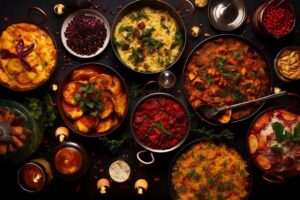
Biryani is one of the most beloved dishes in India that reflects warmth, celebration, and nostalgia. No matter whether it is about a wedding, a family gathering, or comfort food on a rainy afternoon, biryani tastes heavenly. While traditional and iconic biryani variants like Lucknowi or Hyderabadi Dum Biryani are timeless, there are many seasonal biryani variations available that are a growing trend today. No matter if you are a biryani enthusiast or someone who wants to taste Indian biryani in all its forms, this blog will help you know the 10 best seasonal biryani variants, each inspired by different times of the year. So let’s get started.
Learn the Best 10 spice profiles in biryani in our next guide here.
List of 10 Unique Seasonal Biryani Varieties
1. Hyderabadi Dum Biryani: (Year-Round and Monsoon Favorite)
Hyderabadi Biryani is one of the most iconic biryani in India. This biryani style originates from the royal kitchens of Nizams and is a layered blend of basmati rice, marinated meat (either chicken or mutton), and fragrant spices that are sealed in a pot and dum-cooked to perfection. Warm spices like cloves, cinnamon, star anise, and mace are paired with saffron rice and tender meat. This biryani is quite comforting in the rainy season. It is paired with cooling raita and mirchi ka salan.
2. Coastal Fish Biryani (Summer Special)
Coastal fish biryani is popular in India’s coastal regions like Tamil Nadu, Konkan, and so on. These areas mainly thrive on seafood, and in some, more fish is considered to be the lightest and freshest. Ingredients like kokum, tamarind, and coconut oil offer a tangy twist to this biryani, while the fish stays moist and flaky. This biryani is quite famous in Mangalore, Goa, and coastal Andhra Pradesh.
3. Rose Petal and Beetroot Biryani (Spring or Valentine’s Special)
An aromatic and modern biryani with a floral twist today is rose petal and beetroot biryani. While rose petals give a romantic fragrance to biryani, beetroot adds a deep red hue. This type of biryani is an ideal choice for date nights, especially during Valentine’s Day celebrations or spring. This biryani is garnished with rose water and edible flowers and is suitable for those who embrace vegetarian biryani.
4. Autumn Pumpkin and Mutton Biryani
The best harvest time in India is autumn, and pumpkin is at its best flavor in this season. Autumn Pumpkin and Mutton Biryani feels indulgent and festive. If you want to taste a rich biryani that brings the perfect balance of the spice of mutton gravy and the sweetness of pumpkin, then this mutton dum biryani will be a classic choice. Slight notes of mace and nutmeg makes this dish truly celebratory. It is best consumed during October to November, around Diwali and Dussehra.
5. Summer Mango Chicken Biryani
Mango is not only for desserts. The tangy raw mango is often used in curries in the southern part of India, especially parts of Andhra and Kerala. This gives rise to Summer Mango Chicken Biryani. A mix of raw and ripe mango gives this biryani a sweet-sour balance. Light garam masala and coconut milk give the tropical feel to this biryani. It is great during early summer days, especially April to June, when mangoes are at their peak.
6. Spring Vegetable Biryani
In India, the spring season brings an abundance of fresh vegetables like cauliflower, beans, carrots, and peas. Therefore, Spring Vegetable Biryani is colorful, frequent, delightful, and delightful. It is perfect for those who are looking for vibrant and light meals. Fresh coriander and mint blend with spring vegetables to give this biryani a refreshing aroma. It is an ideal choice for warmer afternoons and is subtly spiced. It is enjoyed in Bengal or the northern part of India with seasonal vegetables during Holi celebrations.
7. Monsoon Mushroom and Peppercorn Biryani
Mushrooms are available in abundance as soon as the monsoon arrives across the hill station in the Western Ghats. This variation is warming, earthy, and full of umami. Star anise, peppercorns, and bay leaves offer a depth to this biryani, whereas mushrooms add meatiness and chewiness. Monsoon Mushroom and peppercorn Biryani is the perfect choice for vegetarians and also meat-biryani lovers. This is widely available in South India, and it is served with a cup of hot rasam.
8. Navratri Paneer and Sabudana Biryani
Many Indian families refrain from meat consumption during Navratri and opt for fasting-friendly foods. Navaratri Paneer and Sabudana Biryani are the go-to choices as they contain sabudana, or sago, potatoes and mild rock salt. The spices added in this biryani are less, and the flavors are gentle. If you’re not fond of traditional spicy biryanis, then Navratri Biryani will be a good choice for you. It is generally served with chutneys and yogurts. It is perfect for Navratri during the September to October months.
9. Winter Dry Fruit and Saffron Biryani
Indian kitchens turn to warming and richer ingredients during the cold winter months. Nuts, fruits, saffron, and cheese are often added to meals. Winter dry fruit and saffron biryani includes golden basmati rice, cashews, almonds, raisins, saffron-soaked milk, and slow-cooked paneer or lamb. This is a luxurious and comforting meal. This biryani is inspired by Kashmiri and Mughlai traditions and is enjoyed during winter festivals and weddings.
10. Jackfruit Kathal Biryani Pre-Monsoon Season
Jackfruit trees start bearing fruit even before the rain arrives. Jackfruit, or Kathal, is a meat-like fruit that is good for a slow-cooked biryani dish. Jackfruit soaks up spices similar to meat like chicken or mutton. The fibrous texture of this fruit gives a meaty feeling and is loved by both meat eaters and vegetarians alike. This biryani is popular in Jharkhand, Chhattisgarh, and Bihar. It is gaining popularity across other cities as well.
Do you know how many calories are in chicken biryani? Head to our next guide and know all the details.
Why Does Hyderabadi Biryani Reign Supreme?
Even though seasonal varieties are welcoming and exciting, Hyderabadi Dum Biryani holds a special place among biryani enthusiasts for various reasons. The main reason is the dum-cook method that makes sure the flavors are infused deeply in every grain. This biryani is neither overly greasy nor too dry and has a perfect blend of rice, spices, and meat. No matter whether you are looking for a weekday lunch, wedding or a festival celebration like EID, hyderabadi biryani, it fits every occasion.
Want to know Fried rice or biryani which is healthy? Head to our next guide to know more.
Want to Taste the Best Hyderabadi Dum Biryani? Visit Nawab’s Restaurant Today
Are you ready for an exciting biryani journey? Visit Nawab’s today and explore the wide range of our special biryanis. Nawab’s is not just an Indian restaurant but a culinary go-to destination for biryani enthusiasts.
Chefs at Nawabs don’t follow recipes; they craft unique recipes that are rooted in India’s diverse spices, seasons, and stories. What sets us apart from other biryani restaurants is the authentic regional recipes, royal ambience, warm hospitality, seasonal rotating menu, secret and authentic ingredients, and takeaway/ catering services. No matter whether you are craving Arabian mandis or bold Hyderabadi Dum Biryanis, they will provide you something special for every season.